Frequently Asked Questions
The most-asked questions about extant reptiles & amphibians.
What does the phrase "extant reptiles & amphibians" actually cover?
It is the umbrella term for every living species of reptile—snakes, lizards, turtles, crocodilians, and the tuatara—as well as every living amphibian: frogs, toads, salamanders, newts, and caecilians. It deliberately excludes extinct lineages such as dinosaurs or prehistoric amphibians.
Roughly how many species belong to these two classes combined?
Herpetologists currently recognize on the order of 11,000 reptile species and 8,000 amphibian species, though the tally shifts as new taxa are described and classifications are revised. The numbers are still climbing, especially in tropical regions that remain under-surveyed.
What is the core biological distinction between a reptile and an amphibian?
Reptiles have dry, keratin-scaled skin, lay amniotic eggs (or give live birth), and never pass through an obligatory aquatic larval stage. Amphibians possess thin, permeable skin, typically develop through a free-swimming larval phase, and their eggs lack the protective amniotic shell.
Where on the planet do you find these animals?
Reptiles and amphibians occur on every continent except Antarctica, spanning tropical rainforests, arid deserts, temperate woodlands, and high-elevation cloud forests. Amphibians are generally tethered to moist or near-water habitats, whereas reptiles tolerate much drier conditions.
What are the major orders within each class?
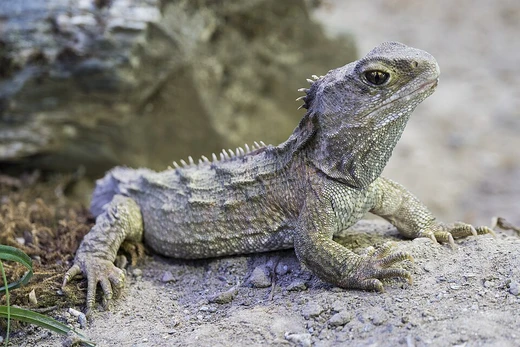
Reptiles are grouped into Squamata (lizards and snakes), Testudines (turtles and tortoises), Crocodylia (crocodiles, alligators, gharials), and Rhynchocephalia (the single tuatara species). Amphibians fall into Anura (frogs and toads), Caudata (salamanders and newts), and Gymnophiona (caecilians).
Are most of them dangerous to humans?
The overwhelming majority of reptile and amphibian species pose no threat to people. A small subset of venomous snakes, a few powerful snapping turtles, and the toxic skin secretions of species like the cane toad can cause serious harm, but dangerous encounters are rare outside those animals' native ranges.
How far back do these lineages stretch in evolutionary time?
The earliest recognizable amphibians appear in the fossil record around 370 million years ago in the Devonian, while the first true reptiles show up roughly 310 million years ago in the Carboniferous. Both groups weathered all five major mass-extinction events, and many modern lineages trace their ancestry to the Mesozoic era.
What are the largest living reptile and amphibian?
The saltwater crocodile (Crocodylus porosus) is the largest extant reptile, with mature males regularly exceeding six metres in length. Among amphibians, the Chinese giant salamander and the African Goliath frog are the usual record-holders, though which one is "largest" depends on whether you measure total length or body mass.
How many species are at risk of extinction?
The IUCN Red List flags more than 30 percent of known amphibian species as threatened, and a substantial share of reptile species are likewise at risk, driven by habitat destruction, the chytrid-fungus pandemic, and climate change. Amphibians are widely regarded as the most imperiled vertebrate class on Earth.
Where should a newcomer begin exploring herpetology?
A solid first step is a region-specific herpetology field guide paired with the Reptile Database or Amphibian Species of the World for up-to-date taxonomic information. Local herpetological societies and well-moderated online forums are also welcoming places to ask questions, plan first observations, and connect with experienced keepers or field researchers.